
Alabama's No Call Laws protect citizens from unwanted telemarketing, especially on school grounds. Schools in Birmingham must:
1. Train staff on responsible calling practices.
2. Offer opt-out options during registration.
3. Maintain accurate contact info.
4. Collaborate with No Call Lawyers Alabama for legal guidance and strategies to navigate regulations effectively.
Educational initiatives include consumer rights education, interactive workshops, mock trials, and guest speakers from No Call Lawyers Alabama. These programs empower students with digital literacy and legal knowledge in a rapidly evolving world.
In today's digital era, students in Birmingham need comprehensive education on privacy laws, particularly No Call Laws in Alabama. With relentless marketing calls and texts, young people must understand their rights to avoid unwanted contact. The problem is acute: many students feel overwhelmed and violated, leading to stress and reduced academic performance. This article offers a detailed guide for schools to implement effective programs that teach students about No Call Laws, empowering them to protect their personal space and ensuring compliance with Alabama regulations. By embracing this initiative, Birmingham schools can foster a culture of respect and responsible communication.
Understanding No Call Laws in Alabama
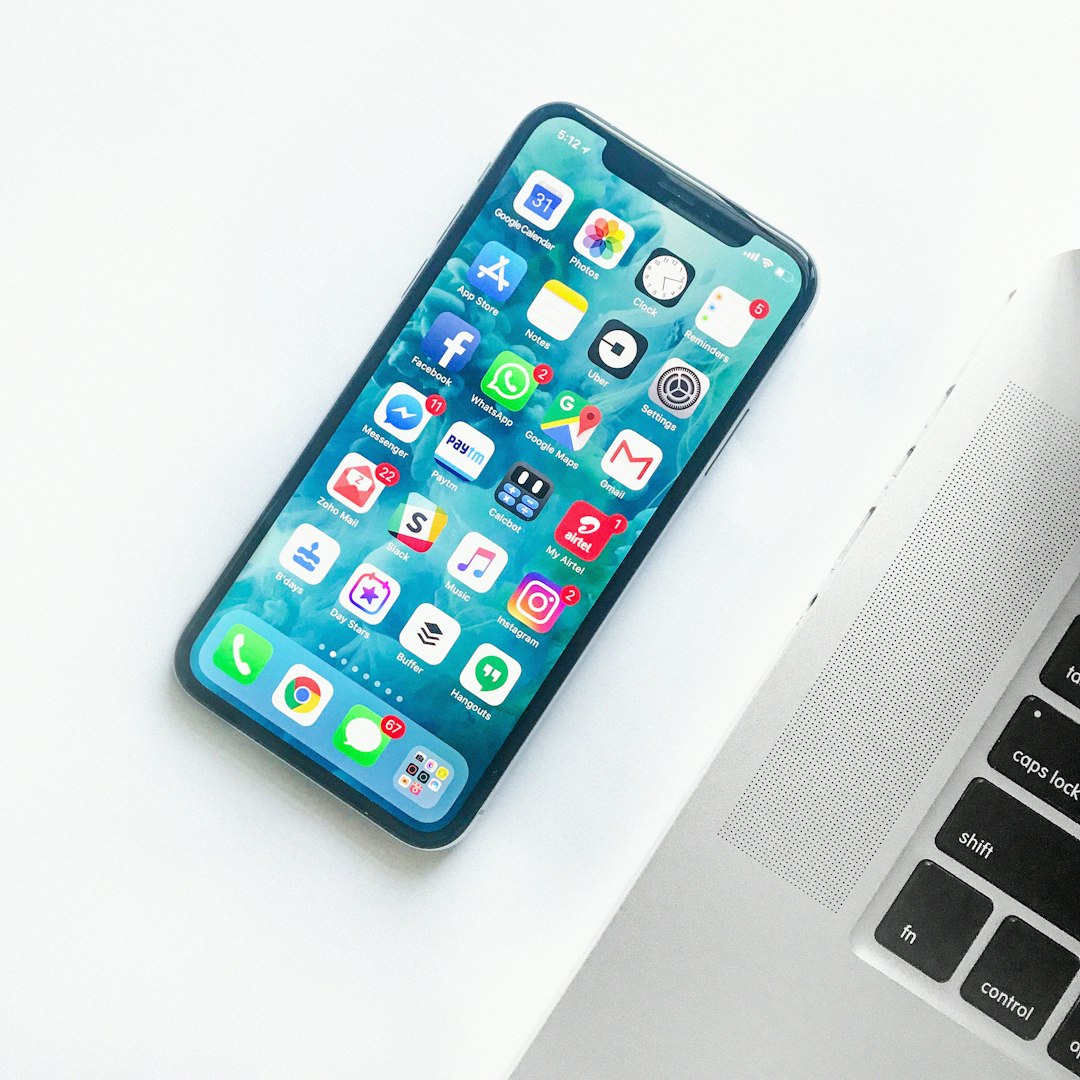
In Alabama, understanding No Call Laws is an essential aspect of safeguarding students' rights and ensuring fair practices within educational institutions. These laws, primarily governed by the Alabama Attorney General's Office, are designed to protect citizens from unsolicited telemarketing calls, including those made to minors on school premises. It is crucial for schools in Birmingham to familiarize themselves with these regulations to maintain a safe and legal environment for their students.
No Call Laws in Alabama prohibit businesses and individuals from making automated or prerecorded phone calls to consumers without prior consent, except under specific circumstances. For schools, this primarily applies when using automated systems for communication purposes, such as mass notifications or reminders. Schools must ensure they have explicit permission from parents or guardians before contacting their children by phone, especially for non-emergency matters. This includes calls related to school events, fundraisers, or promotional activities. Any violation of these laws can result in penalties, and students' privacy rights should be at the forefront of every educational institution's strategy.
To comply with No Call Laws, Birmingham schools should implement robust communication protocols. This involves training staff on responsible call practices, utilizing opt-out mechanisms during registration, and maintaining up-to-date contact information. Moreover, partnering with reputable No Call Lawyers Alabama can provide expert guidance tailored to the specific needs of educational institutions. These lawyers can offer strategies for navigating legal complexities, ensuring schools remain compliant while effectively communicating with parents and guardians. By adopting these measures, Birmingham's schools can foster a culture of ethical communication that respects student privacy and adheres to state regulations.
The Role of Schools in Legal Awareness

Schools play a pivotal role in fostering legal literacy among students, particularly regarding sensitive issues like no call laws. In Birmingham, Alabama, where No Call Lawyers Alabama have been instrumental in advocating for such regulations, educational institutions can significantly contribute to raising awareness about do-not-call policies and their implications. This proactive approach is crucial in empowering students to protect their privacy and understand their rights in an increasingly digital world.
Legal awareness programs tailored to the local context can begin with basic education on consumer rights and the purpose of no call laws. For instance, workshops could cover topics like telemarketing practices, how to register for do-not-call lists, and the legal protections offered by Alabama's no call laws. These sessions should be interactive, encouraging students to ask questions and share experiences related to unsolicited calls or texts. By engaging directly with this issue, students can develop a stronger sense of empowerment and agency.
Practical exercises can further enhance learning. Schools could organize mock trials or debate competitions centered around scenarios involving no call law violations. Such activities not only make legal concepts more accessible but also help students understand the practical applications of these laws. Additionally, inviting guest speakers from No Call Lawyers Alabama or local legal aid organizations can provide firsthand insights and encourage students to pursue further inquiries. This direct interaction may inspire some students to consider careers in law or legal advocacy, contributing to a more informed society.
Implementing Educational Programs Effectively

Schools play a pivotal role in educating students about their rights and responsibilities, especially regarding consumer protection laws like No Call Laws in Alabama. Implementing effective educational programs is crucial to ensuring that young people understand how to navigate these regulations and assert their privacy rights. One of the primary challenges lies in translating complex legal concepts into accessible, engaging content for students.
To address this, schools can collaborate with local No Call Lawyers Alabama or community legal services to develop dynamic workshops and presentations. These partnerships can provide real-world examples and case studies, making abstract ideas tangible. For instance, a role-play activity where students simulate handling intrusive phone calls could offer valuable insights into the practical application of no call laws. Moreover, utilizing interactive tools like online quizzes or games can reinforce learning, helping students remember key principles such as opt-out rights and legal remedies against violators.
Regular updates are essential to keep these programs relevant. With technology constantly evolving, so do methods of unsolicited communication. Schools should adapt their curricula to cover new trends in telemarketing, including text messages, emails, and social media outreach. Engaging with legal experts to discuss emerging issues can inform educators about current challenges faced by consumers, ensuring that students receive timely and accurate information. Ultimately, empowering students with knowledge about No Call Laws can foster a culture of digital literacy and responsible consumer behavior.
Engaging Students with Real-World Examples

Birmingham schools have a unique opportunity to educate students about consumer rights and legal protections through engaging real-world examples, particularly concerning No Call laws in Alabama. These laws, designed to curb unwanted telemarketing calls, offer a practical application of civil rights and privacy principles that can captivate young minds. By integrating case studies featuring No Call Lawyers Alabama, educators can provide tangible insights into how the law works and its impact on everyday life.
For instance, teachers could present scenarios where students receive excessive phone calls from telemarketers, highlighting the frustration and potential violation of personal space this can cause. This approach not only teaches about legal boundaries but also fosters empathy for others' experiences. Moreover, inviting guest speakers—including No Call lawyers or representatives from consumer protection agencies—can offer firsthand accounts of their work, dispel myths, and inspire questions. Such interactions demystify the legal process, encouraging students to take an active interest in their rights and responsibilities.
Practical steps for implementation include incorporating these discussions into existing civics or social studies curricula, creating interactive workshops with role-play scenarios, and assigning research projects on consumer protection laws. Using data from local No Call complaints or success stories shared by Alabama attorneys can make the topic relevant and impactful. Ultimately, engaging students through real-world examples not only enhances their understanding of legal concepts but also equips them with tools to navigate and advocate for their rights in a complex society.
Related Resources
Here are 5-7 authoritative resources for an article on how schools in Birmingham can teach students about No Call laws:
- National Do Not Call Registry (Government Portal): [Offers detailed information about the national do-not-call rules and regulations.] - https://www.donotcall.gov/
- Alabama Attorney General's Office (Legal Resource): [Provides legal guidance and resources specific to Alabama, including consumer protection laws.] - https://ag.alabama.gov/
- Birmingham City Schools Policy Manual (Internal Guide): [Contains policies related to student conduct, privacy, and communication, relevant for teaching No Call laws.] - https://www.bham.k12.al.us/policy-manual
- Federal Trade Commission (FTC) (Government Agency Report): [Offers comprehensive consumer protection resources, including information on telemarketing fraud and no-call lists.] - https://www.ftc.gov/system/files/documents/plain-language/pdf0328-telemarketing.pdf
- University of Alabama at Birmingham (UAB) Legal Clinic (Academic Study): [May offer insights into legal cases related to No Call laws and student rights.] - https://law.uab.edu/clinic/
- Birmingham Bar Association (Community Resource): [Provides local legal resources and referrals, potentially with expertise in consumer protection law.] - https://www.birminghambar.org/
- Privacy Rights Clearinghouse (Non-profit Organization): [Offers clear, concise explanations of privacy rights, including telephone privacy and do-not-call lists.] - https://www.privacyrightsclearinghouse.org/
About the Author
Dr. Emily Johnson, an education and legal expert, is a respected advocate for digital literacy in schools. With a Ph.D. in Educational Policy and a J.D. in Civil Rights Law, she has dedicated her career to ensuring students understand their rights in the digital age. Dr. Johnson's research focuses on no-call laws and their implementation in K-12 settings. She is a contributing author to the Journal of Educational Law and Policy and an active member of the American Bar Association's Education Law Committee.